Pioneer CDJ-2000 vs CDJ-2000NXS: which is the better buy?
Last updated: September 7, 2026
Quick answer
The Pioneer CDJ-2000NXS is a significant step up from the original CDJ-2000, particularly thanks to its enlarged waveform with Wave Zoom, Beat Sync and Slip Mode. Both models have Quantize when using tracks analysed in rekordbox.
The CDJ-2000 remains a solid professional player and can be found for considerably less money. However, its age is becoming an important consideration, both in terms of features and when it comes to servicing and the availability of certain spare parts.
Using our August 2026 reference prices, approximately €750 for the CDJ-2000 and €1,300 for the CDJ-2000NXS per unit, we at Sounds Market would pay the extra for the Nexus, even for a home setup. Its waveform display and additional features make it considerably easier to work with and bring the experience closer to later CDJ generations.
Sounds Market Score
Pioneer CDJ-2000: 6.2/10
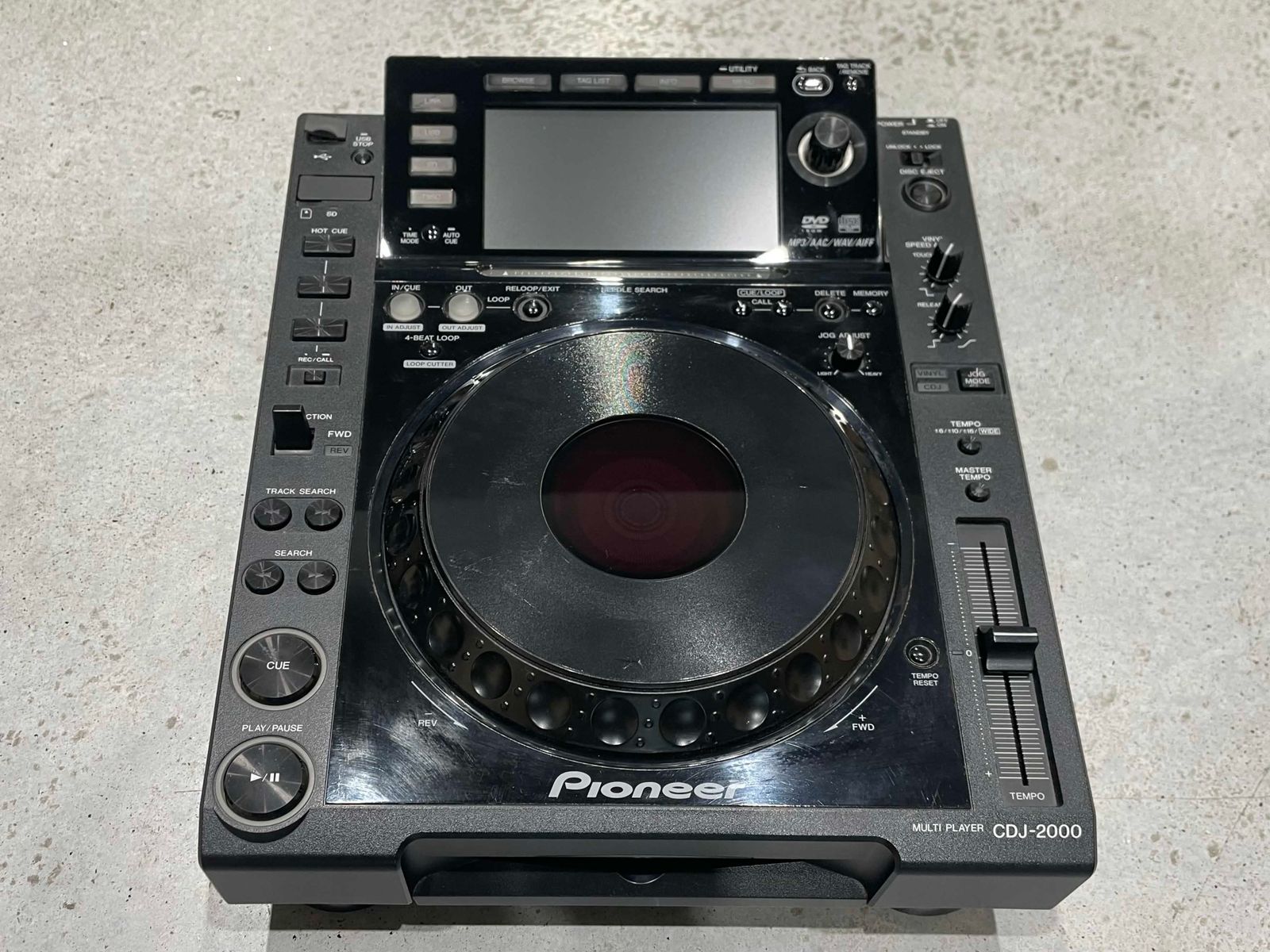
A landmark professional player that is robust and still perfectly usable for traditional mixing. However, its age, its feature limitations compared with later generations and certain complex repairs now weigh on its overall rating.
Pioneer CDJ-2000NXS: 7.1/10
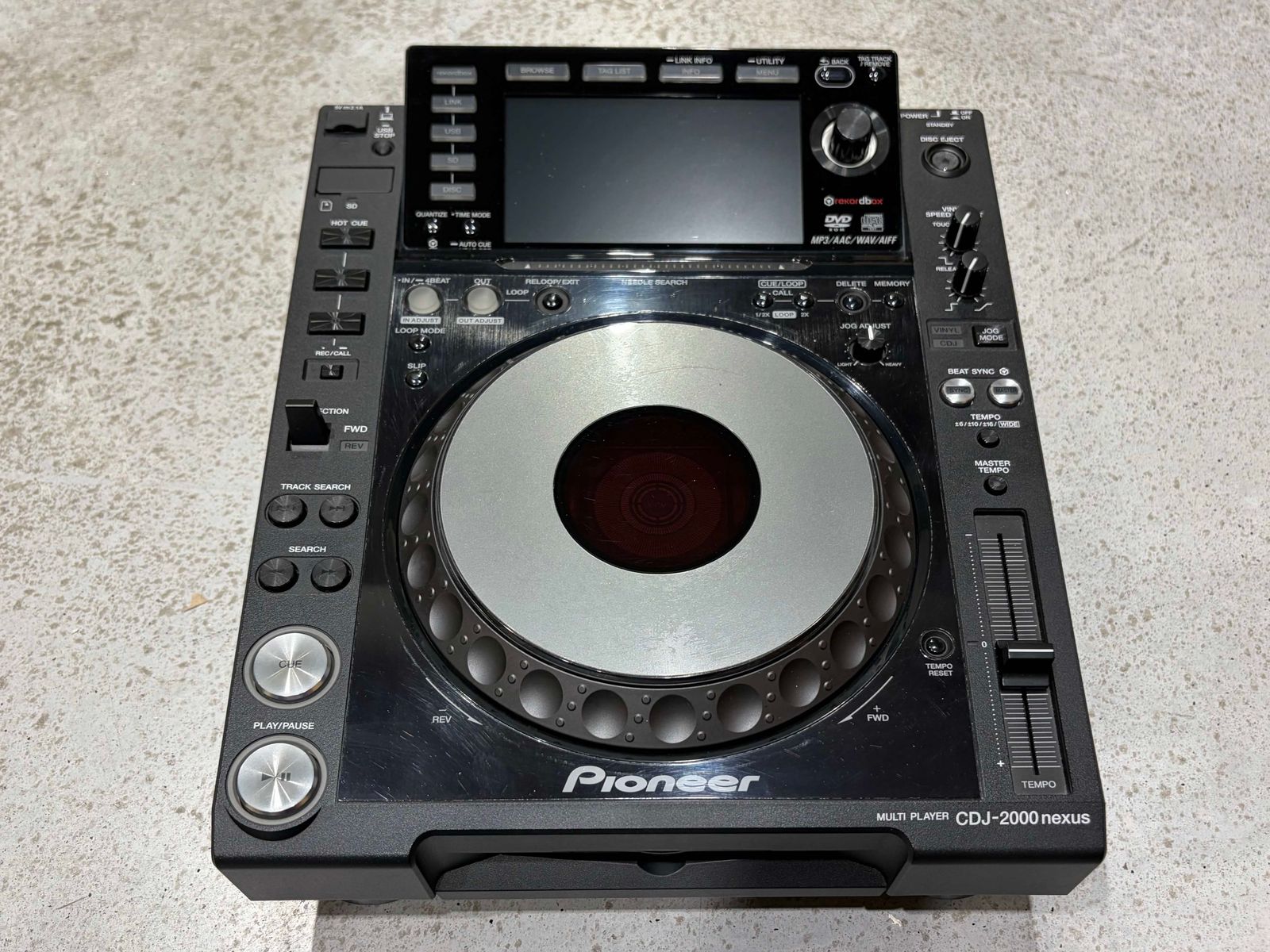
A substantial evolution of the CDJ-2000, with an enlarged waveform, Wave Zoom, Beat Sync and Slip Mode making a real difference to the experience. It remains a solid, capable player, although its age is also beginning to matter when compared with newer generations.
CDJ-2000 vs CDJ-2000NXS: key differences
| CDJ-2000 | CDJ-2000NXS | |
|---|---|---|
| Waveform | Overview, without Wave Zoom | Enlarged waveform with Wave Zoom |
| Beat Sync | No | Yes |
| Slip Mode | No | Yes |
| Quantize | Yes, with rekordbox analysis | Yes, with rekordbox analysis |
| Pro DJ Link | Yes | Yes, with expanded features |
| rekordbox | Yes | Yes |
| USB | Yes | Yes |
| SD card | Yes | Yes |
| CD drive | Yes | Yes |
| Best for | Tight budgets | A more complete experience |
Screen and waveform
For us, this is one of the biggest differences between the two players.
The CDJ-2000 displays track information and a waveform overview. However, it lacks the Nexus model's Wave Zoom, and the visual experience is considerably more basic.
The CDJ-2000NXS adds Wave Zoom to enlarge the waveform, alongside information such as a phase meter and beat countdown. This helps you anticipate a track's structure and see more clearly what is happening during a mix.
It may seem like a small difference on paper, but it changes the day-to-day experience quite noticeably.
For DJs used to more modern CDJ generations in particular, the Nexus model's more detailed waveform makes mixing considerably more comfortable.
Nexus features
The step up to the CDJ-2000NXS goes beyond the screen.
The Nexus adds Beat Sync and Slip Mode, as well as more advanced integration with rekordbox and Pro DJ Link.
Beat Sync automatically synchronises tempo and beat alignment between compatible players.
Slip Mode keeps the track running in the background while you use functions such as loops, scratching or reverse. It then returns playback to the point the track would otherwise have reached.
Quantize is already present on the original CDJ-2000. It uses rekordbox analysis to align cue points and loops with the beat, so it is not exclusive to the Nexus.
Not every DJ needs Beat Sync and Slip Mode, but they broaden what you can do on the NXS compared with the original CDJ-2000.
Browsing and working with rekordbox
Both players work with music prepared in rekordbox and support USB devices, SD cards and Pro DJ Link.
However, the NXS makes much better use of the information you prepare in rekordbox.
Its enlarged waveform with Wave Zoom and additional indicators help you get more out of track preparation. The original CDJ-2000 also uses rekordbox analysis for Quantize.
What actually changes when you are mixing?
On paper, the two players share much of the same basic workflow: Play, Cue, pitch, jog wheel, loops and track browsing.
The difference becomes clear in everyday use. The CDJ-2000NXS offers a much more visual way to work thanks to its more advanced waveform, while Beat Sync and Slip Mode expand your options.
For us, the waveform is the improvement that does most to justify the upgrade. Even if you never use Beat Sync, the extra ease of use over the original CDJ-2000 is something you notice throughout a set.
Is there a difference in sound quality?
Both were high-end professional players and deliver sound quality that remains perfectly suitable for a DJ setup.
At Sounds Market, we would not make sound quality the main reason to choose one over the other.
We place much more weight on features, waveform display, age, maintenance and price.
The mixer and the rest of your audio chain will also have a major influence on the final result.
Audio format compatibility
There is no jump in audio format support from the CDJ-2000 to the CDJ-2000NXS: both play MP3, AAC, WAV and AIFF. Moving to the Nexus does not expand that list, so we would not treat format support as a reason to upgrade.
Reliability: CDJ-2000 vs CDJ-2000NXS
Both are robust players, but the original CDJ-2000's age is becoming an important factor.
CDJ-2000
The CDJ-2000 was built as a professional player, and many units continue to work properly after years of use.
However, we now receive units with problems related to their age and accumulated operating hours.
One of the most significant issues we encounter in our workshop is E-8709 Communication Error, which can appear alongside a WAIT message.
This indicates a communication problem between electronic sections of the player. In our experience, some units have hardware faults in this area that require complex work on the electronics and are not always viable to repair.
It is one of the points we pay particular attention to when inspecting a used CDJ-2000.
The model's age also means certain spare parts are gradually becoming harder to source.
CDJ-2000NXS
The CDJ-2000NXS has also been around for many years, but our overall workshop experience with it remains positive.
It is a robust, repairable player. We do not encounter the communication problem seen in certain original CDJ-2000 units as frequently on the NXS.
As with any player of this age, the condition and maintenance history of the individual unit are essential.
The Sounds Market workshop's view
Having inspected and repaired both models, we consider them well built. With appropriate maintenance, they can continue working for many years.
However, we are now more cautious when buying an original CDJ-2000.
That is not because it is inherently unreliable. These are ageing units, and certain electronic faults can lead to complex repairs that may not make financial sense.
E-8709 is one of the issues we pay particular attention to, based on our experience repairing these players.
Our overall assessment of the CDJ-2000NXS is more positive. It remains a robust player, and its features make it a more relevant choice for a DJ setup today.
Current second-hand market prices
Based on our experience of the second-hand market, our August 2026 reference prices are approximately:
CDJ-2000: €750 per unit
CDJ-2000NXS: €1,300 per unit
Reference prices updated in August 2026. Prices may vary depending on condition, included accessories and changes in the market.
That is a difference of approximately €550 per player or €1,100 for a pair.
Is it worth paying the difference?
In our opinion, yes.
Even for a home setup, we would pay the extra for the CDJ-2000NXS if the budget allows.
It is about more than having additional features. The more detailed waveform makes the player considerably easier to work with and brings the experience closer to later generations of professional players.
You are also buying a newer model and avoiding some of the risks associated with certain repairs and component availability on the original CDJ-2000.
The CDJ-2000 can still make sense if you find a unit in excellent condition at a particularly attractive price. Between these two models, however, our choice would clearly be the Nexus.
Who would we recommend each model to?
Buy the CDJ-2000 if...
- Your budget is particularly tight.
- You find a unit in excellent condition at an attractive price.
- You do not need an enlarged waveform display.
- You do not use features such as Beat Sync or Slip Mode.
- You mainly use Play, Cue, pitch, loops and the jog wheel.
- You want a professional Pioneer player at the lowest possible cost.
Buy the CDJ-2000NXS if...
- You want a considerably more modern experience.
- You particularly value a more detailed waveform display.
- You use rekordbox and want to make better use of your track preparation.
- You want Beat Sync and Slip Mode.
- You want a player that feels closer to later CDJ generations.
- You can afford the price difference.
Comparison ratings
The category ratings are relative to the models compared in this guide. The Sounds Market Score is our overall assessment of the product and stays the same regardless of the comparison.
| CDJ-2000 | CDJ-2000NXS | |
|---|---|---|
| Features | 6/10 | 8/10 |
| Reliability | 7/10 | 8.5/10 |
| Value for money | 7.5/10 | 8.5/10 |
| Professional use today | 6.5/10 | 8/10 |
| Sounds Market Score | 6.2/10 | 7.1/10 |
The Sounds Market Score is an overall editorial rating. It does not necessarily equal the arithmetic average of the categories above.
What other comparisons do not tell you
Condition matters more than age on paper. Two CDJ-2000 units can be in completely different condition depending on their working hours and maintenance.
E-8709 deserves attention. We pay close attention to this communication error in the workshop because some units we receive need complex electronic repairs. The code alone does not identify a specific fault.
Spare parts are part of the buying decision. With these generations, the availability of certain components and the viability of a repair matter as much as the purchase price.
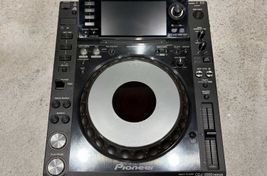
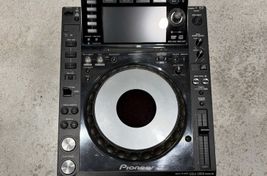
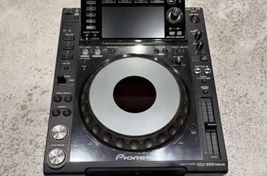
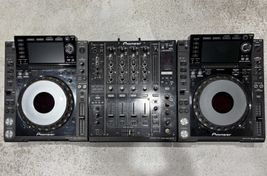
Pioneer CDJ 2000NXS currently available
See all ->
Frequently asked questions
Is a CDJ-2000 still worth buying today?
It can still make sense if you find a unit in good condition at an attractive price and do not need the features of later generations. However, given its age, we recommend checking the condition and operation of each unit carefully.
Is the CDJ-2000NXS worth the extra money?
In our opinion, yes. Even for a home setup, we believe the Nexus model's more detailed waveform and additional features justify paying more if your budget allows.
Which model is more reliable?
Both were built as robust professional players. However, we currently give the CDJ-2000NXS the advantage because of the original CDJ-2000's greater age and certain complex electronic faults we encounter in some units.
What is the CDJ-2000's E-8709 error?
E-8709 is a communication error between electronic sections of the player. It can have different causes. In our workshop experience, some units have hardware faults that require complex electronic repairs.
Does the CDJ-2000NXS have a detailed waveform display?
Yes. Its improved waveform display is one of the biggest differences compared with the original CDJ-2000 and, in our view, one of the main reasons to choose the Nexus.
Can I use a CDJ-2000 and a CDJ-2000NXS together?
Yes. Both players can be used in the same setup and support Pro DJ Link. The available features depend on the capabilities of each generation.
Which model would we buy?
Between two units in comparable condition, we would buy the CDJ-2000NXS. Although it costs considerably more, we believe the improvement in features and ease of use justifies the difference.
Thinking about upgrading your setup?
If you already own a CDJ-2000, CDJ-2000NXS or other DJ equipment, you can sell it directly to Sounds Market or trade it in towards your next piece of gear.
Get an offer for my equipment →
Our verdict: CDJ-2000 or CDJ-2000NXS?
The CDJ-2000 remains an important part of Pioneer's professional player history. A well-maintained unit can still deliver a perfectly usable DJ experience.
Even so, we would pay the extra for the CDJ-2000NXS.
The enlarged waveform with Wave Zoom makes visual mixing easier, while Beat Sync and Slip Mode expand your mixing options. Quantize is available on both models.
Age also matters. Some original CDJ-2000 units are developing faults that can be complex to repair, and certain spare parts are becoming harder to find.
At our August 2026 reference prices, approximately €750 versus €1,300 per unit, the CDJ-2000 remains the budget option. But if you can afford the difference, our clear choice is the CDJ-2000NXS.
- Best for features: CDJ-2000NXS
- Best for reliability today: CDJ-2000NXS
- Best for ease of use: CDJ-2000NXS
- Most affordable option: CDJ-2000
- Our overall choice: CDJ-2000NXS