What does refurbished DJ equipment mean?
Last updated: October 1, 2026
Refurbished does not necessarily mean repaired. We explain how we inspect, diagnose and test DJ equipment in our workshop, when work is needed and what support Sounds Market Certified provides.
When we talk about refurbished DJ equipment, we mean equipment that has already had a previous life and goes through a professional process of inspection, diagnosis and testing before being offered for sale again.
That process is precisely what sets it apart from simply buying used equipment.
A refurbished unit should not just be a used machine that has been cleaned and put back on sale. There needs to be a technical inspection to assess its condition and identify potential problems before it reaches its next owner.
There is also an important point: refurbished does not necessarily mean repaired.
If we inspect a unit and all its components work correctly, there is no reason to replace parts just so we can say it has been repaired. If testing reveals a problem, we diagnose it and carry out the necessary work.
At Sounds Market, we sum up the process like this:
Inspection → diagnosis → work where needed → final testing.
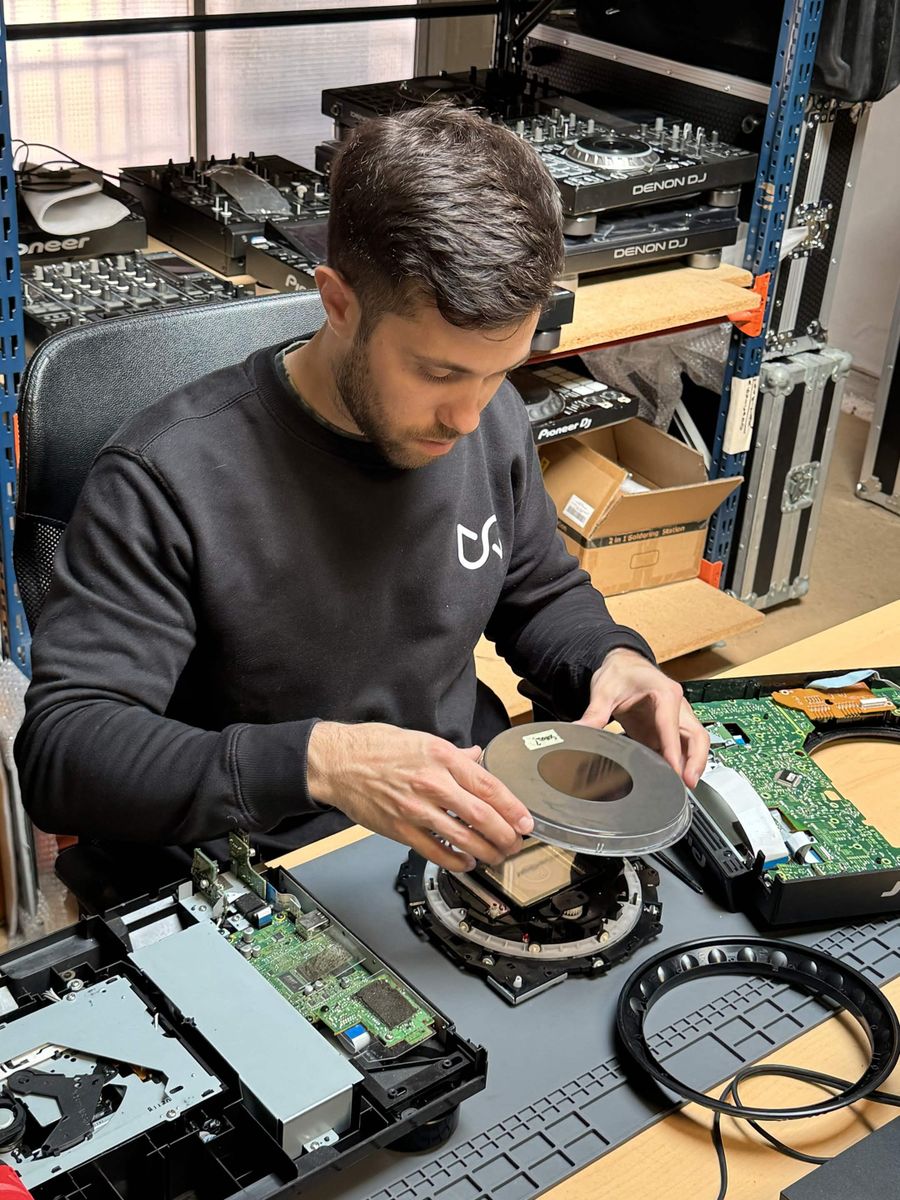
Not all DJ equipment is refurbished in the same way
The inspection process depends on the type of equipment and its complexity.
It makes no sense to test a mixer, a player, a turntable and a controller in exactly the same way. Each has a different design and different areas that need checking.
A CDJ may have a jog wheel, screen, buttons, encoders, pitch control, USB ports, audio connections and many other functions.
A mixer may have dozens of rotary controls and buttons, faders, CUE, filters, effects and various inputs and outputs.
A controller or all-in-one system can combine many of these elements in a single unit.
That is why the more complex the equipment, the more functions need testing.
How do we test refurbished DJ equipment?
At Sounds Market, we do not consider a unit to be working properly simply because it switches on and plays music.
In our workshop, we combine two types of testing: diagnostics using Service Mode and a full test using the equipment under real operating conditions.
1. Service Mode: checking the controls one by one
Many professional DJ products include a Service Mode, an internal diagnostic mode for checking the operation of the unit's various components and controls.
Depending on the model, we can use it to test buttons, encoders, faders, rotary controls, jog wheels, screens, LEDs and other electronic controls individually.
We use it on players, mixers, controllers and all-in-one systems that support this type of diagnostics.
It helps us identify problems that might go unnoticed in a quick test.
For example, a button may appear to work normally but respond inconsistently when tested repeatedly. The same can happen with an encoder, a fader or other controls on a unit.
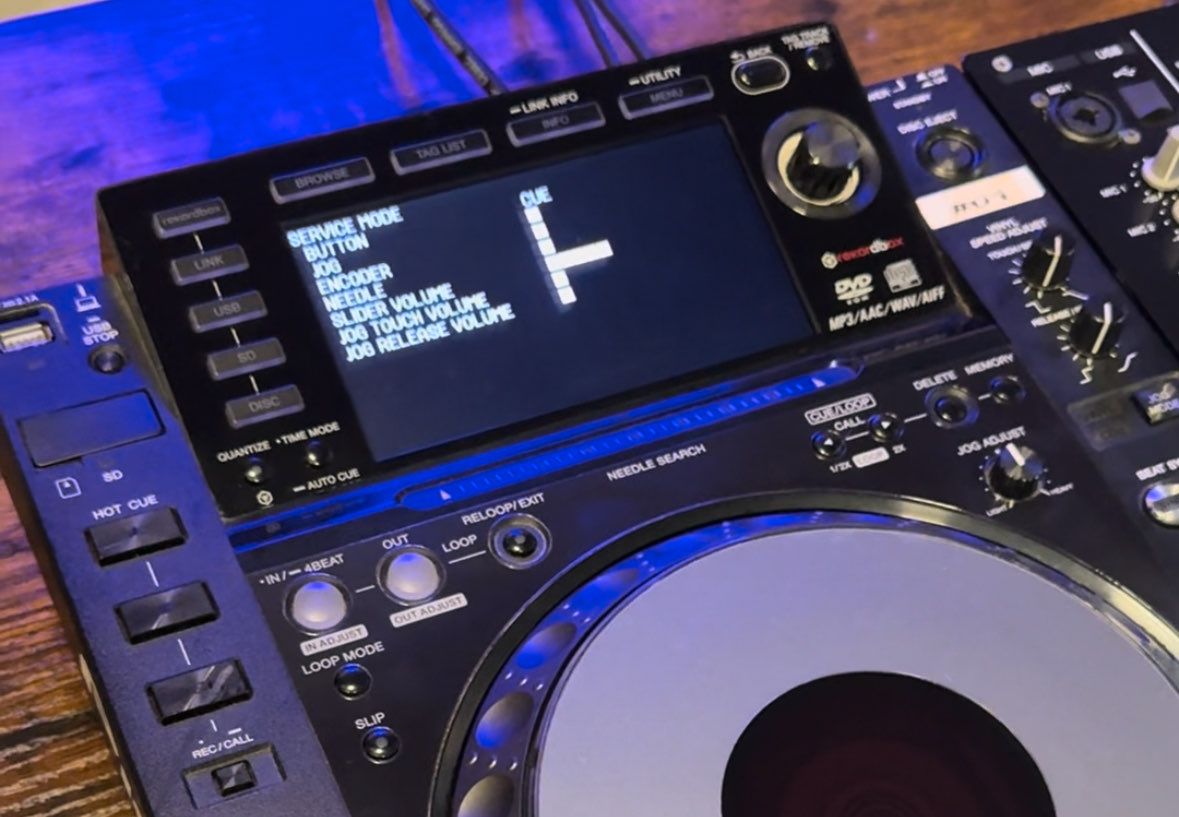
Testing the controls of a Pioneer CDJ 2000 Nexus using its Service Mode in our workshop.
2. Real-world testing: putting the unit through its paces
Service Mode is a very useful diagnostic tool, but it does not replace a real-world operating test.
That is why we then use the equipment as it would normally be used.
On a player, we check playback, the controls and the various connections.
On a mixer, we check the channels, inputs, outputs, CUE and the unit's different sections.
We also carry out a full operational test on controllers and all-in-one systems.
This second check is particularly important for testing the audio inputs and outputs and how the unit behaves as a complete system.
We also keep the equipment running for an extended period.
Some faults do not appear immediately when a unit is switched on. Equipment may work correctly for the first few minutes and develop a problem after it has been running for some time.
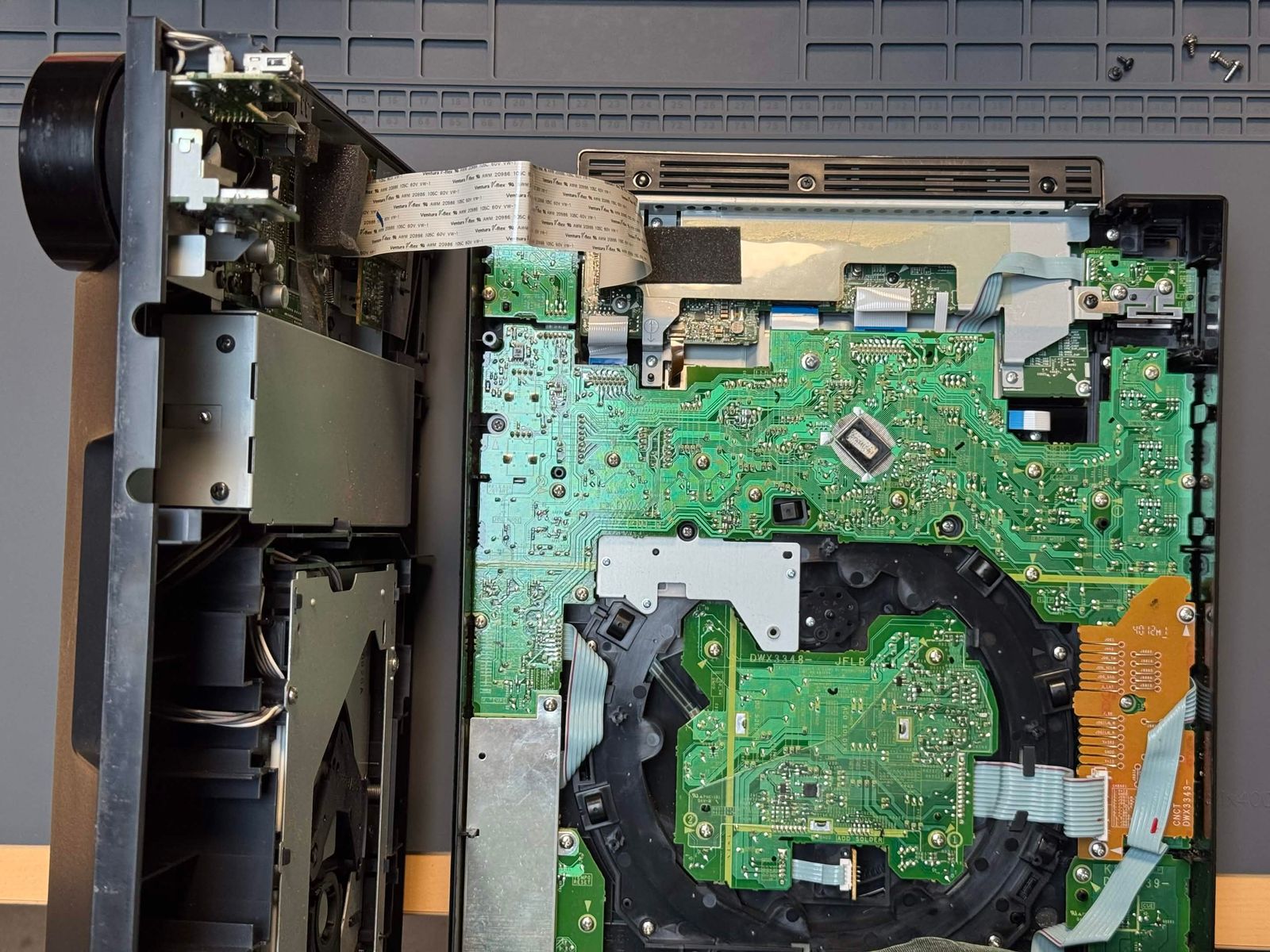
Real-world testing of a Pioneer CDJ 2000 Nexus after inspection.
Why do we carry out both tests?
Because they check different things.
Service Mode lets us test the individual controls and components that the unit's own diagnostics support. Real-world testing lets us assess the equipment as a complete system, including its inputs, outputs and stability during use.
A unit can pass certain internal checks and still develop a problem in actual operation.
The reverse is also possible: a machine may appear to work perfectly for a few minutes while concealing a button, encoder, fader or other control that does not respond as it should.
That is why, for us:
Checking that equipment switches on is not the same as checking that it works properly.
Refurbishing does not mean replacing parts for the sake of it
There is some confusion around the term refurbished.
A refurbished unit does not necessarily contain new components.
The aim of good refurbishment should not be to replace as many parts as possible, but to assess the unit's condition correctly and carry out work where needed.
Some equipment arrives at our workshop needing no repairs at all.
Other units need maintenance.
Others have a specific fault that requires a component to be repaired or replaced.
Replacing a part that works correctly does not make a unit better refurbished.
What happens when we find a fault?
If we find a problem during any of the tests, we first try to determine its cause.
Depending on the fault, the work may involve maintenance, adjustment, repair or replacement of the affected component.
After working on the unit, we test its operation again.
This is another important distinction between repairing and refurbishing.
A repair aims to resolve a specific fault.
Refurbishment has a broader goal: assessing the equipment's overall working condition before putting it back on sale.
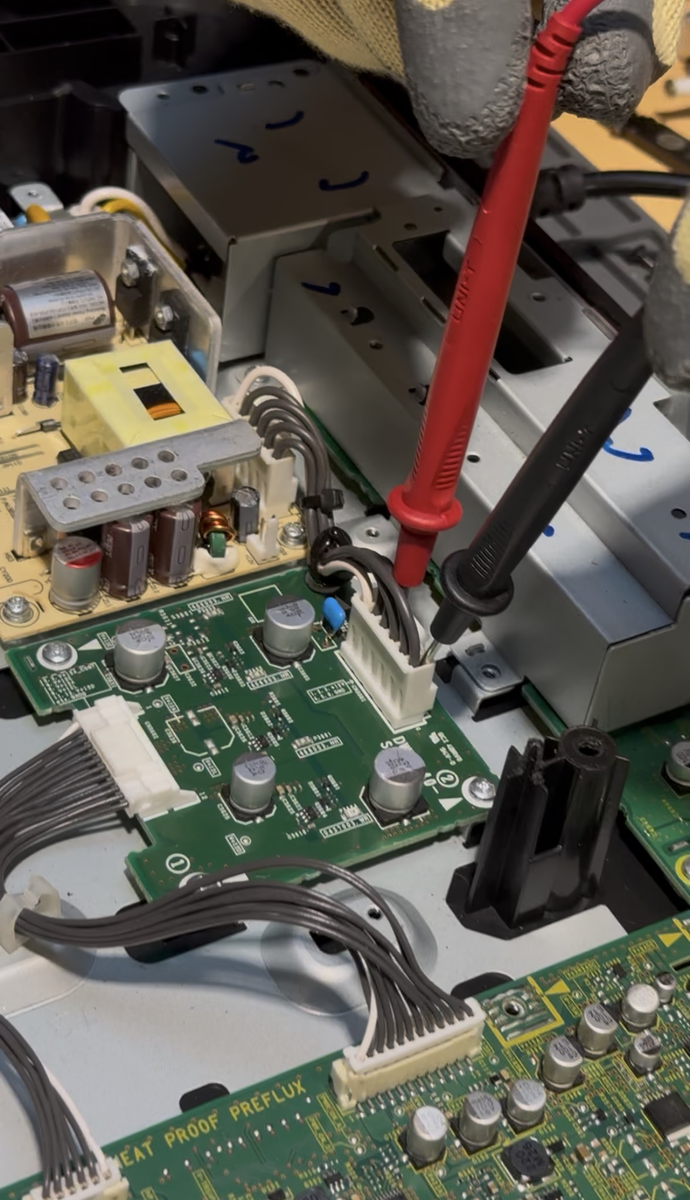
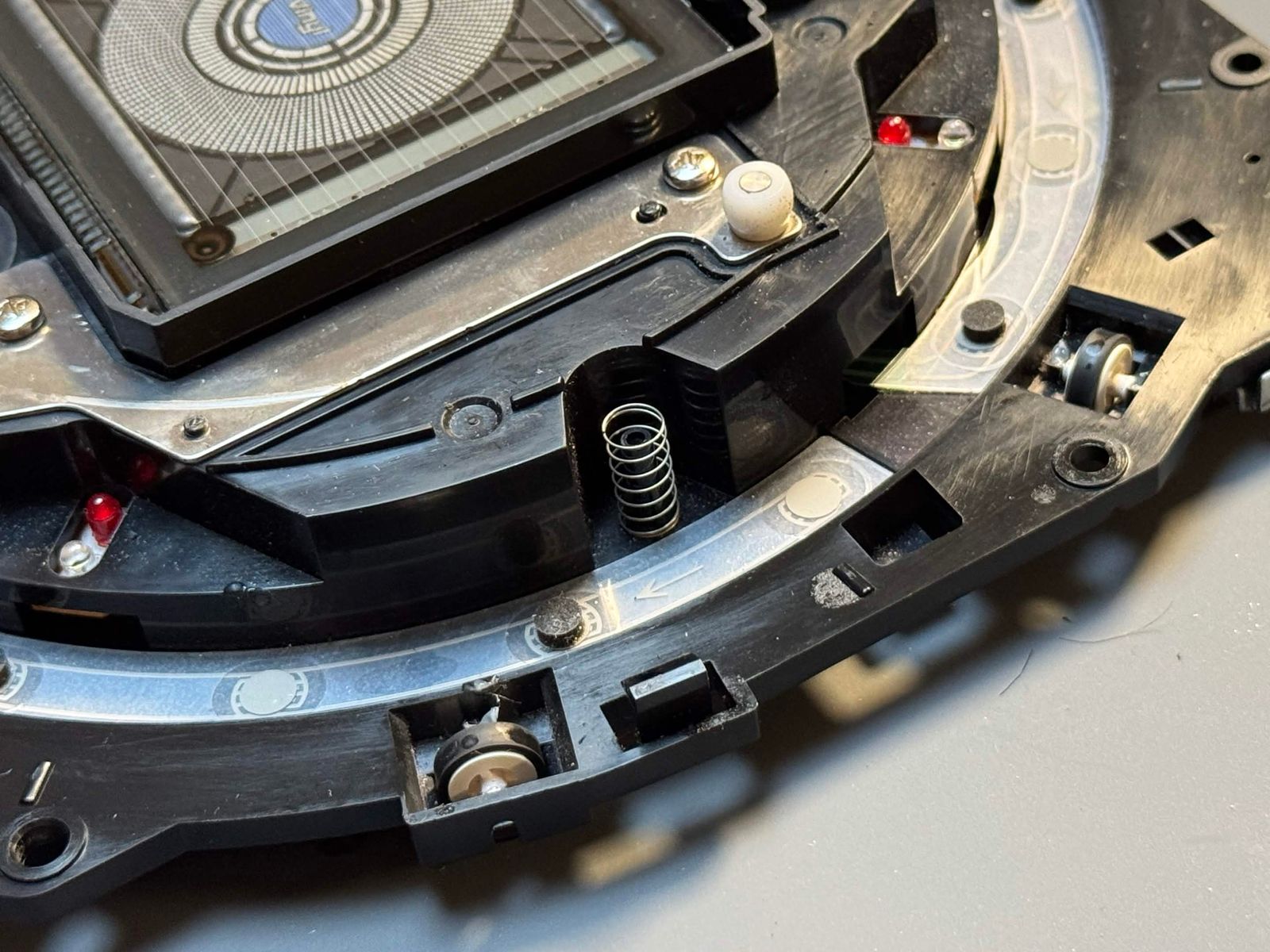
Cosmetic condition and working condition are not the same
Another important aspect of refurbished equipment is separating two different concepts:
Cosmetic condition: how well the exterior has been preserved.
Working condition: how the equipment actually functions.
A unit can have scratches or signs of use and still be in very good technical condition.
The opposite can also be true.
Equipment can look almost new on the outside while hiding a faulty button, a worn fader, an output problem or any other fault that cannot be detected simply by looking at photographs.
That is why appearance is never a substitute for a technical inspection.
At Sounds Market, we refurbish our Certified equipment ourselves
There are different ways to sell refurbished equipment.
At Sounds Market, the equipment we sell as Certified is inspected and refurbished by us in our own workshop.
Our technicians work directly on the units and carry out the checks before offering them for sale.
Continually inspecting different units of the same models also helps us understand where wear tends to occur, which parts deserve particular attention and how these machines behave after years of use.
We do not carry out exactly the same work on every unit, because they do not all arrive in the same condition.
First, we inspect.
Then, we diagnose.
We carry out work if needed.
Finally, we test the unit again.
Can refurbished equipment show signs of use?
Yes.
Refurbished does not mean new.
Equipment can have scratches, small marks or cosmetic wear from its previous life and still work perfectly.
What matters is clearly distinguishing cosmetic condition from working condition.
When buying refurbished equipment, you should therefore not assume it will look identical to a new unit unless this is specifically stated.
Can refurbished equipment develop a fault?
Yes.
We are dealing with electronics and mechanical components, and no inspection process can guarantee that a unit will never develop a fault in the future.
That is precisely why the warranty matters.
All Sounds Market Certified equipment includes a one-year warranty.
For us, the process does not end once we have tested the unit and shipped it. If a problem covered by the warranty appears later, there is support after the purchase.
Used equipment and refurbished equipment are not the same
Both may have had a previous owner, but the terms do not mean the same thing.
Used equipment can be sold directly in its existing condition.
Refurbished equipment has first undergone professional inspection and testing and, where necessary, technical work.
This distinction is particularly important with professional DJ equipment. A unit can have a large number of controls, connections and electronic components whose condition cannot always be established through a visual inspection or a test lasting a few minutes.
For more on this distinction, read our complete guide to used vs refurbished DJ equipment.
Why does refurbishing professional DJ equipment make sense?
Professional DJ equipment can have a very long working life.
In our workshop, we see machines with many years of use that still work correctly, as well as equipment that can keep going for years after suitable maintenance or repairs.
The arrival of a new generation of players, mixers or turntables does not automatically mean the previous one is no longer useful.
Refurbishment makes use of that remaining lifespan while giving the next owner equipment that has already undergone a professional inspection.
So what should “refurbished” really mean?
For us, refurbished should not simply mean cleaning a used unit and selling it again.
There should be a process behind it:
Inspection.
Testing.
Diagnosis.
Work where needed.
Final testing.
At Sounds Market, we also add something we consider essential: a one-year warranty on all our Certified equipment.
The aim is not to turn a used machine into a new one.
It is to understand its condition, test its operation properly, resolve the problems we find and give it a new working life with the backing of our workshop.
Browse all our Sounds Market Certified refurbished DJ equipment here.