Pioneer XDJ-XZ vs OPUS-QUAD: club feel or newer technology?
Last updated: September 23, 2026
The Pioneer XDJ-XZ and OPUS-QUAD are professional all-in-one systems with different priorities.
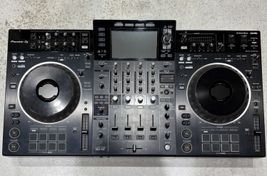
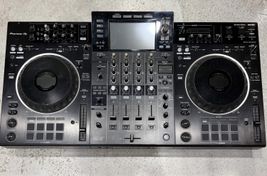
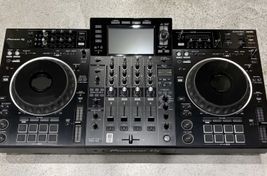
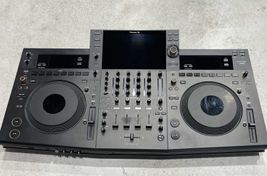
The XDJ-XZ brings a familiar Pioneer DJ club-booth experience into one unit: full-size jogs, a 4-channel mixer and a layout that will feel natural if you use CDJs and DJM mixers. Its main limitation is clear: four mixer channels, but only two internal decks for USB playback.
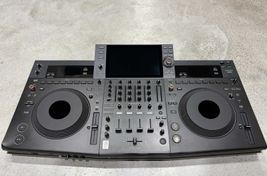
The OPUS-QUAD, launched in 2023 under the Pioneer DJ brand, introduced a much more substantial redesign. It has a 10.1-inch touchscreen, more modern browsing and four genuine standalone USB decks.
The performance area changed too. The XZ has eight Performance Pads below each jog. The OPUS-QUAD replaces these with eight physical Hot Cue buttons above each deck, in an arrangement similar to the CDJ-3000. Zone Output, Wi-Fi, Bluetooth, CloudDirectPlay and touchscreen effects control add further possibilities.
On features alone, the OPUS-QUAD offers more. At Sounds Market, however, we still prefer the XZ's construction, jog feel, ageing and familiarity with a traditional Pioneer DJ booth.
At the September 2026 used-price references of around €2,300 for the XZ and €2,400 for the OPUS-QUAD, the decision is more about how you DJ than your budget.
Sounds Market Score
Pioneer XDJ-XZ: 9.4/10
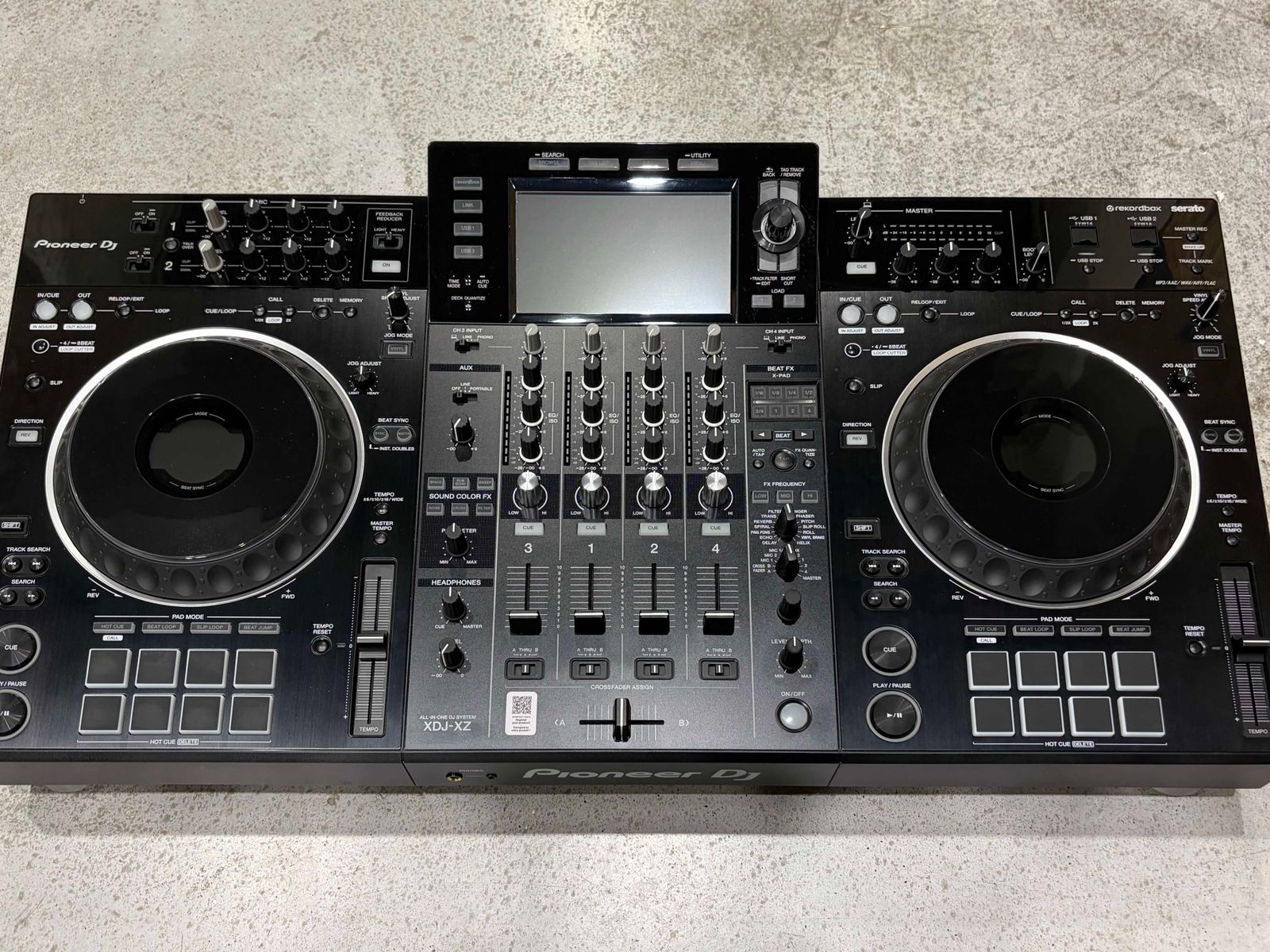
One of our favourite all-in-ones. Its two internal USB decks are the main limitation, but construction, jogs, mixer and a layout close to professional Pioneer DJ equipment remain major strengths. Our workshop experience is very positive: these are robust machines that age particularly well.
Pioneer OPUS-QUAD: 9.2/10
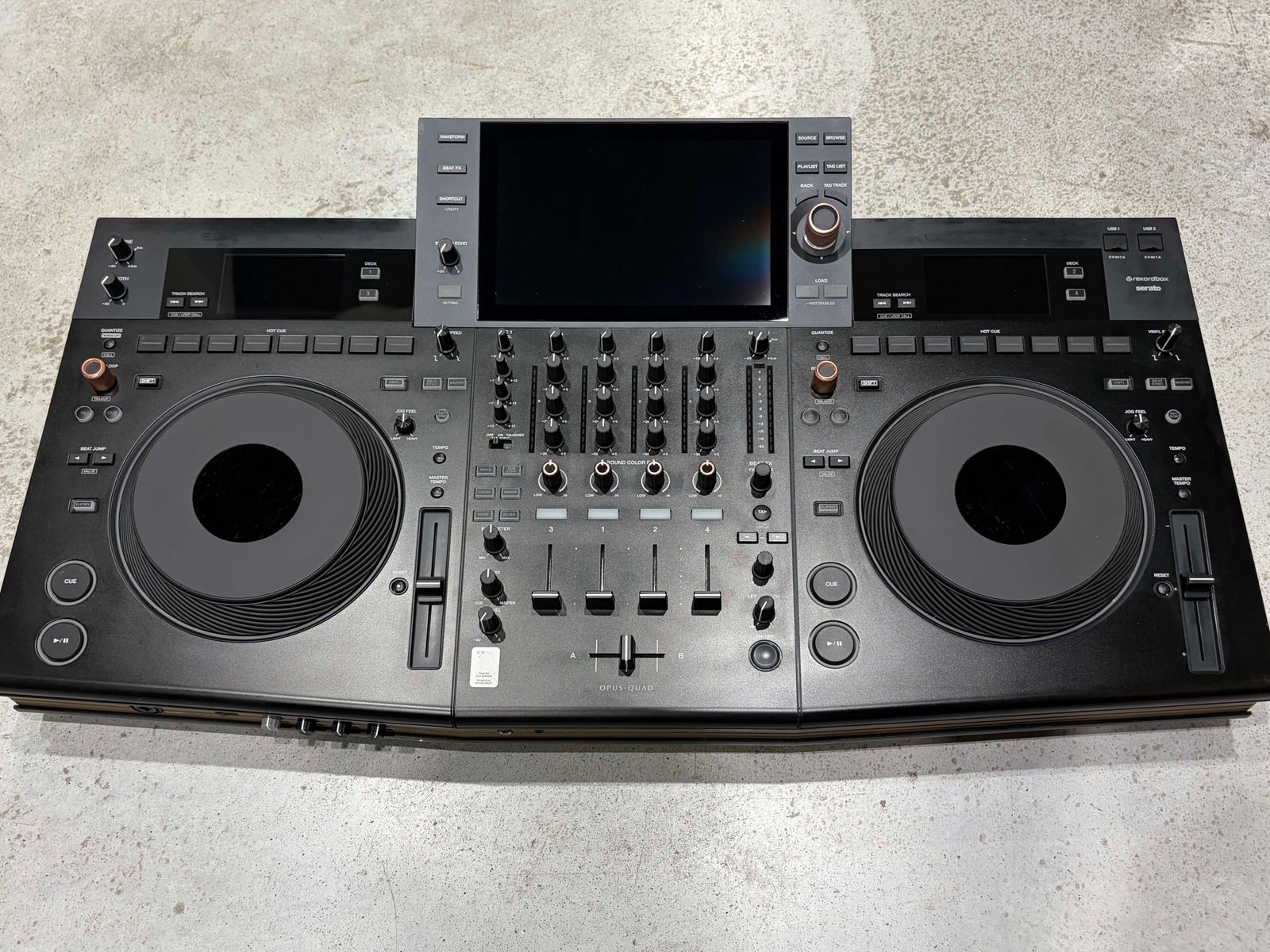
More technologically advanced and a more complete standalone system. Its four internal decks, 10.1-inch screen, eight physical Hot Cue buttons per deck, Zone Output and additional features make it a powerful machine.
Our reliability experience is good. We nevertheless prefer the XZ's feel and construction, and have found that the OPUS-QUAD's top-panel finish shows intensive use more readily.
Pros and cons
XDJ-XZ
Pros
- Excellent construction.
- Full-size jogs.
- Jog Feeling Adjust.
- 4-channel mixer.
- Layout close to the professional Pioneer DJ ecosystem.
- Eight Performance Pads per deck.
- 14 Beat FX and 6 Sound Color FX.
- Pro DJ Link.
- Very good connectivity.
- Robust in our workshop experience.
- Ages well, even with intensive use.
Cons
- Only two internal USB decks.
- 7-inch screen.
- Older-generation interface and browsing.
- No Wi-Fi or Bluetooth.
- Fewer standalone capabilities than the OPUS-QUAD.
OPUS-QUAD
Pros
- Four genuine standalone decks.
- 10.1-inch touchscreen.
- Full-size jogs.
- Eight physical Hot Cue buttons above each deck.
- Much more modern browsing.
- XY-Pad for effects.
- Zone Output.
- Wi-Fi and Bluetooth.
- CloudDirectPlay.
- Positive reliability experience in our workshop.
Cons
- No multifunction Performance Pads below the jogs.
- Layout less like a traditional Pioneer DJ booth.
- We prefer the XZ's jog feel.
- Top-panel finish shows marks of use more easily.
- The initial library-format transition caused friction, although compatibility has improved.
XDJ-XZ vs OPUS-QUAD: key differences
| Feature | XDJ-XZ | OPUS-QUAD |
|---|---|---|
| Type | All-in-one | All-in-one |
| Mixer channels | 4 | 4 |
| Standalone USB decks | 2 | 4 |
| Screen | 7-inch touchscreen | 10.1-inch touchscreen |
| Jogs | Full-size | Full-size |
| Jog Feeling Adjust | Yes | Yes |
| On Jog Display | Yes | Yes |
| Performance Pads | 8 per deck, below the jogs | No |
| Hot Cue controls | Through Performance Pads | 8 per deck, above the jogs |
| Beat FX | 14 | Beat FX + XY-Pad |
| Sound Color FX | 6 | Yes |
| Zone Output | No | Yes |
| Wi-Fi | No | Yes |
| Bluetooth | No | Yes |
| Pro DJ Link with compatible players | Yes | No |
| Weight | 13 kg | 13.2 kg |
| Approximate used price | €2,300 | €2,400 |
| Sounds Market Score | 9.4/10 | 9.2/10 |
Two different design approaches
The OPUS-QUAD is a broader redesign of the all-in-one concept. The XZ follows the professional Pioneer DJ approach of its generation, with a layout that feels close to a CDJ and DJM setup. Moving between it and a familiar club booth is particularly natural.
The OPUS-QUAD changes the appearance through a sloping top surface, curved edges and a more screen-centred interface. It also reworks performance controls: the XZ's eight multifunction pads below each jog give way to eight dedicated Hot Cue buttons above each deck, similar to the CDJ-3000.
That makes the surface look cleaner, but you lose the XZ's multifunction pad area. Features such as Zone Output also suit mobile DJs, weddings, hotels and installations where one system needs to serve several purposes.
A specifications-only comparison misses those priorities. The XZ brings the club-booth approach into an all-in-one; the OPUS-QUAD explores a different way to use the format.
Two versus four standalone decks
The XZ's main limitation is that its four-channel mixer is paired with only two internal USB decks. Channels 3 and 4 can accept external players or other sources. Compatible software also allows more decks, but the unit alone cannot play four internal USB tracks simultaneously.
The OPUS-QUAD can run four standalone decks from USB without a computer or additional players. If you regularly mix with three or four decks and want to remain completely standalone, this changes what you can do.
For that specific workflow, we would choose the OPUS-QUAD.
Screen, browsing and workflow
The XZ has a 7-inch touchscreen; the OPUS-QUAD moves to 10.1 inches with a much more modern interface.
The difference extends beyond size. The OPUS makes the screen a bigger part of everyday operation and offers more advanced music browsing. Finding tracks and viewing information feels noticeably more modern.
The XZ's screen remains functional. If you are used to recent interfaces, though, the OPUS-QUAD is clearly ahead for browsing and presentation.
Jogs: similar specifications, different feel
Both have full-size jogs and deliver a high-end experience. The OPUS-QUAD's jogs are good; we do not see them as a weakness.
After using both, however, we prefer the XZ's feel. It comes closer to the professional Pioneer DJ players we are used to working with. That is difficult to capture in a specification sheet but easier to notice when trying both systems.
If recreating a traditional Pioneer DJ booth is your priority, we would choose the XZ's jogs.
Effects: two ways of working
The XZ offers a familiar DJM-style approach with 14 Beat FX and 6 Sound Color FX, arranged around recognisable physical controls.
The OPUS-QUAD's touchscreen XY-Pad lets you change different effect parameters together by moving your finger along the X and Y axes. It also includes Smooth Echo and integrates effects into a more visual workflow.
The OPUS favours visual interaction; the XZ favours familiarity with traditional Pioneer DJ mixer controls. We would not say one approach is inherently better. They suit different preferences.
Zone Output: useful when you need separate audio zones
The OPUS-QUAD has a ZONE output independent of MASTER, allowing different audio to be sent to another area from the same system.
You could mix for the main dance floor while sending other music to a bar, terrace or second room. This may be secondary in a conventional club, but can be valuable for weddings, hotels, events, mobile DJs and multi-zone venues.
It helps explain why the OPUS-QUAD takes a different direction from the XZ.
The Sounds Market workshop view
Our experience with both is good. We know the XZ particularly well and have very positive reliability experience. Construction, jogs and components cope well with intensive use. Heavily used units can still develop wear or faults, but we have not identified a serious recurring problem that characterises the model.
We have carried out fewer OPUS-QUAD repairs. So far, we have not found a recurring fault that particularly concerns us, and our reliability experience is also positive.
Where we do see a difference is cosmetic ageing. On heavily used OPUS-QUAD units, the top-panel finish can show the areas where hands regularly rest. Marks can become quite visible.
We do not tend to see the same deterioration as readily on the XZ. Even well-used examples often preserve the top surface better.
This cosmetic wear does not affect OPUS-QUAD operation, but it matters when assessing construction and buying used. Overall, we prefer the XZ's construction and the way it ages.
OneLibrary: the library-format transition
The OPUS-QUAD introduced Device Library Plus, now called OneLibrary, for libraries exported from rekordbox. The XZ uses the earlier Device Library format.
Preparing a USB drive for different generations was initially less intuitive and created confusion. The process has since improved: current rekordbox versions can export both formats to the same USB drive, making it easier to use it across generations.
We no longer consider this a major OPUS-QUAD drawback, although it remains useful to understand the distinction. When preparing a shared USB drive, make sure both library formats are present.
Price: a small gap, a different decision
Approximate used-price references from September 2026:
- Pioneer XDJ-XZ: €2,300.
- Pioneer OPUS-QUAD: €2,400.
At around €100 apart, price is not our main reason to choose either. For the extra money, the OPUS-QUAD offers more technology: four standalone decks, a larger screen, Wi-Fi, Bluetooth, Zone Output and a newer interface. On features per euro alone, it wins.
We still prefer the XZ's construction, jogs, ageing and familiar club layout. Here, how you intend to use the system matters more than the small price difference.
Who should choose each model?
Buy the XDJ-XZ if...
- You want a traditional professional Pioneer DJ booth experience.
- You normally work with two decks.
- Construction and robustness come first.
- You prefer a CDJ + DJM-style layout.
- You want multifunction Performance Pads.
- You want Pro DJ Link.
- Jog feel matters particularly to you.
- You want to practise at home on a familiar layout before club gigs.
Buy the OPUS-QUAD if...
- You need four standalone USB decks.
- You want a much larger screen.
- You value modern browsing.
- You prefer dedicated Hot Cue buttons above each deck.
- You want Wi-Fi, Bluetooth and connected functions.
- You need Zone Output.
- You work at weddings, events, hotels or multi-zone venues.
- You prefer a modern, distinctive design.
- Features matter more than recreating a traditional Pioneer DJ booth.
Comparison ratings
Category ratings are relative to the products compared in this guide.
| Category | XDJ-XZ | OPUS-QUAD |
|---|---|---|
| Jogs | 9.5/10 | 9/10 |
| Mixer | 9.5/10 | 9.5/10 |
| Screen and browsing | 8/10 | 9.5/10 |
| Standalone features | 8/10 | 10/10 |
| Effects | 9.5/10 | 9.5/10 |
| Construction | 9.5/10 | 8.5/10 |
| Reliability | 9.5/10 | 9/10 |
| Club experience | 10/10 | 8.5/10 |
| Connectivity | 9.5/10 | 10/10 |
| Value for money | 9/10 | 9.5/10 |
| Sounds Market Score | 9.4/10 | 9.2/10 |
The Sounds Market Score is our overall editorial assessment of the product, independent of this comparison. It is not an arithmetic average of the category ratings.
What other comparisons often miss
- Four mixer channels do not always mean four internal decks. Between these systems, choose OPUS-QUAD for four USB tracks without a computer or external players.
- The redesign changes Hot Cue operation. The XZ has eight multifunction pads below each jog; the OPUS has eight physical Hot Cue buttons above each deck.
- Inspect a used OPUS-QUAD's top panel. We have seen visible marks where hands rest. This is cosmetic, without affecting operation, but can make a recent unit look more heavily used.
Pioneer XDJ XZ currently available
See all ->

Pioneer OPUS-QUAD currently available
See all ->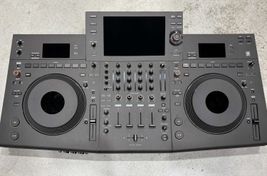
Frequently asked questions
Which is better, XDJ-XZ or OPUS-QUAD?
The OPUS-QUAD is more technologically advanced, with four standalone decks, a better screen and more features. At Sounds Market, however, we prefer the XZ's construction, jogs and traditional professional Pioneer DJ feel.
Can the XDJ-XZ use four decks from USB?
No. It has four mixer channels but only two internal USB decks. The additional channels can be used with external sources or compatible DJ software.
Can the OPUS-QUAD run four decks without a computer?
Yes. Four standalone USB decks are one of its biggest advantages over the XZ. You do not need a computer or additional players.
Does the OPUS-QUAD have Performance Pads?
Not like the XZ. The XZ has eight multifunction Performance Pads below each jog. The OPUS-QUAD replaces that area with eight physical Hot Cue buttons above each deck.
Which has better jogs?
Both have very good jogs. For feel and everyday use, we prefer the XDJ-XZ's.
Which has the better screen?
The OPUS-QUAD. It has a 10.1-inch touchscreen rather than the XZ's 7-inch display, with a much more modern interface and browsing experience.
What is Zone Output on the OPUS-QUAD?
It is an output independent of MASTER that can send different audio to another zone. For example, you can mix in one room while playing other music in a bar or on a terrace from the same OPUS-QUAD.
Which would Sounds Market buy?
At similar prices, we would choose the XDJ-XZ for construction, jogs and workflow.
The OPUS-QUAD can be the better choice if you need four standalone decks, Zone Output or its additional functions.
Thinking about upgrading your equipment?
You can sell your XDJ-XZ, OPUS-QUAD or other DJ equipment directly to Sounds Market, or put it towards your next purchase.
Verdict: XDJ-XZ or OPUS-QUAD?
The OPUS-QUAD is the more technologically advanced machine. Four standalone decks, a 10.1-inch screen, Zone Output, connectivity and a more modern workflow make it the more capable standalone system.
The XZ offers the experience we still prefer. We like its jogs more, its construction ages better in our experience and its layout is more familiar to DJs used to the professional Pioneer DJ ecosystem.
At the similar prices compared here, we would choose the XZ. If you need four genuine standalone decks, though, we would choose the OPUS-QUAD.
- Best screen and browsing: OPUS-QUAD
- Best for four standalone decks: OPUS-QUAD
- More features: OPUS-QUAD
- Best for events and separate audio zones: OPUS-QUAD
- Our preferred jogs: XDJ-XZ
- Preferred construction: XDJ-XZ
- Closer to a traditional Pioneer DJ club booth: XDJ-XZ
- Sounds Market's choice: XDJ-XZ