The 5 best DJ players of 2026
Last updated: October 1, 2026
The best DJ player is the one that suits the way you DJ.
Our five picks for 2026 draw on our experience buying, selling, repairing and refurbishing equipment, considering features, construction, reliability and price.
Choosing a DJ player is not simply a matter of finding the newest model, the most expensive one or the one with the most features. A professional DJ may use a relatively simple setup because it perfectly suits the way they mix, while another may need a larger screen, more Hot Cues, faster browsing or much more advanced performance features.
That is why this selection is not ranked from best to worst.
We have chosen five players that, based on our experience buying, selling, refurbishing and repairing DJ equipment, we consider particularly interesting in 2026. Each serves different needs, and the real question is not which has the most technology, but which makes the most sense for the way you DJ.
Quick answer
| If you want... | Our pick |
|---|---|
| A compact, straightforward and practical setup | Pioneer XDJ-700 |
| More features and a larger player | Pioneer XDJ-1000MK2 |
| The workflow of an established professional generation | Pioneer CDJ-2000NXS2 |
| A professional setup from the current generation | Pioneer CDJ-3000 |
| A professional alternative to Pioneer, with more features at a lower price | Denon SC6000 Prime |
How we chose these five DJ players
At Sounds Market, we work with used and refurbished DJ players from different generations every day. This allows us to assess things you will not always find on a spec sheet: how a unit ages after years of use, which components tend to fail, how it can be repaired and which features its owners actually end up using.
That is why we have not simply picked the five players with the best specifications.
We consider workflow, build quality, size, weight, features, reliability, repairability and used-market prices. We also take into account something particularly important with DJ equipment: having more features does not necessarily mean you will use them.
Pioneer XDJ-700
A simple player may be exactly what you need
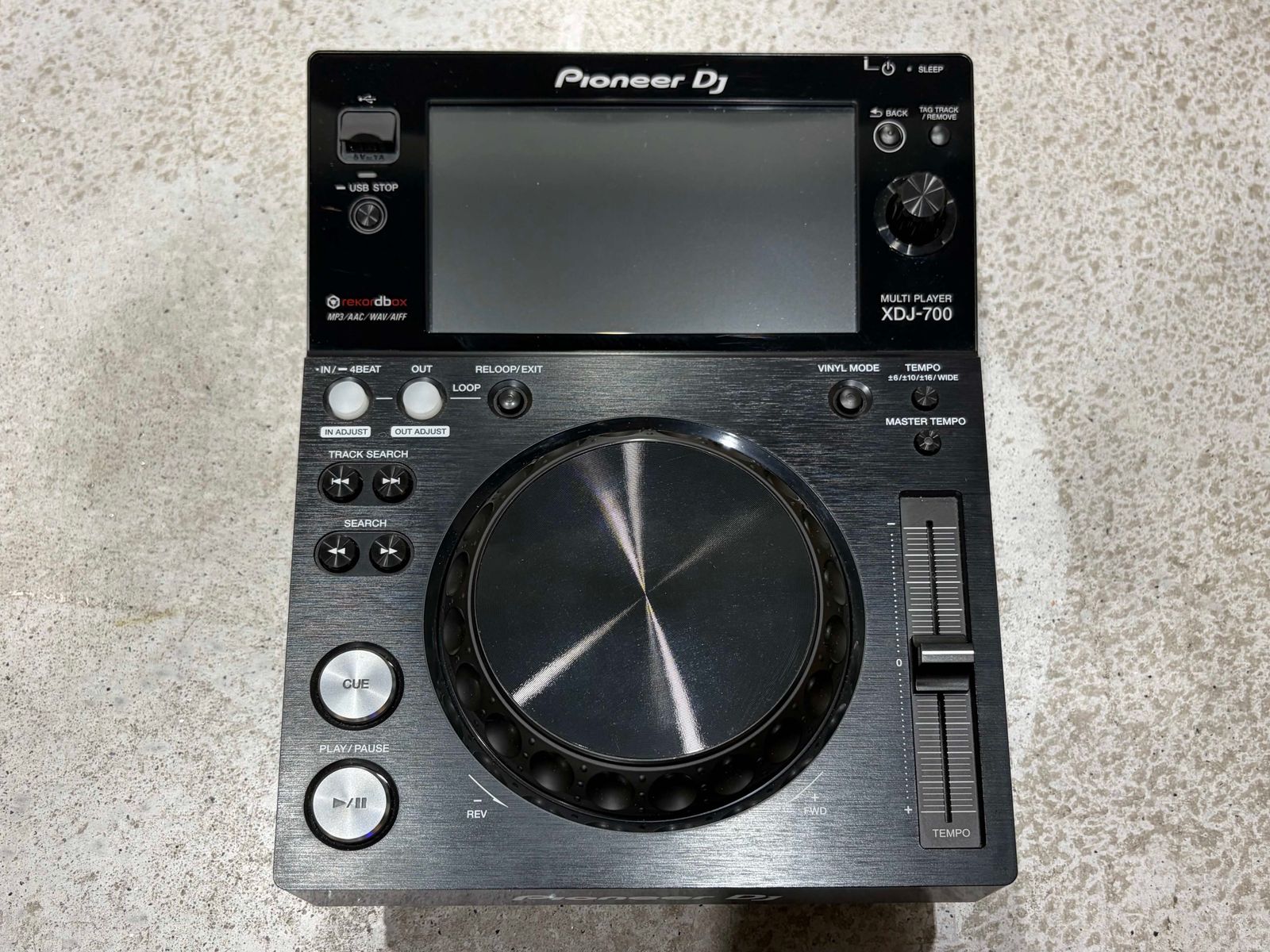
The XDJ-700 is the smallest and simplest player in this selection, but that does not make it exclusively a beginner's product.
In fact, we have seen many professional DJs use two XDJ-700s at home alongside professional mixers such as an Allen & Heath Xone:92. If your approach is mainly about selecting tracks, beatmatching, looping and working your blends, you may simply not need much more.
Its size and weight also let you build a very compact setup that is easy to move. That can be an advantage even when budget is not your main constraint.
On the used market, a pair can be found for roughly €1,200 to €1,300, depending on condition and the market. This lets you build a setup with separate players and put more of your budget towards the mixer.
What do you give up compared with higher-end players?
The main compromise is the jog wheel, which is considerably smaller than those on the XDJ-1000MK2 and CDJs. There is no tension adjustment either, and many functions are controlled through a relatively small touchscreen.
The build also feels lighter and less robust than a professional CDJ. That need not be a problem in a home setup, but it does make a difference when equipment is constantly transported and used heavily.
From a workshop perspective, that simplicity works in its favour. There are fewer controls, and the construction is relatively straightforward to maintain. Some of the most common jobs we see involve heavily used components such as Play and Cue buttons.
Who would we choose the XDJ-700 for?
Someone who wants a compact, practical and relatively affordable setup without needing a huge range of performance features. It can also make a lot of sense for experienced DJs who simply want to mix at home and would rather invest in a good mixer than pay for player features they are unlikely to use.
XDJ-700 vs XDJ-1000MK2: differences and which to choose →
Pioneer XDJ-1000MK2
More player without stepping up to a CDJ
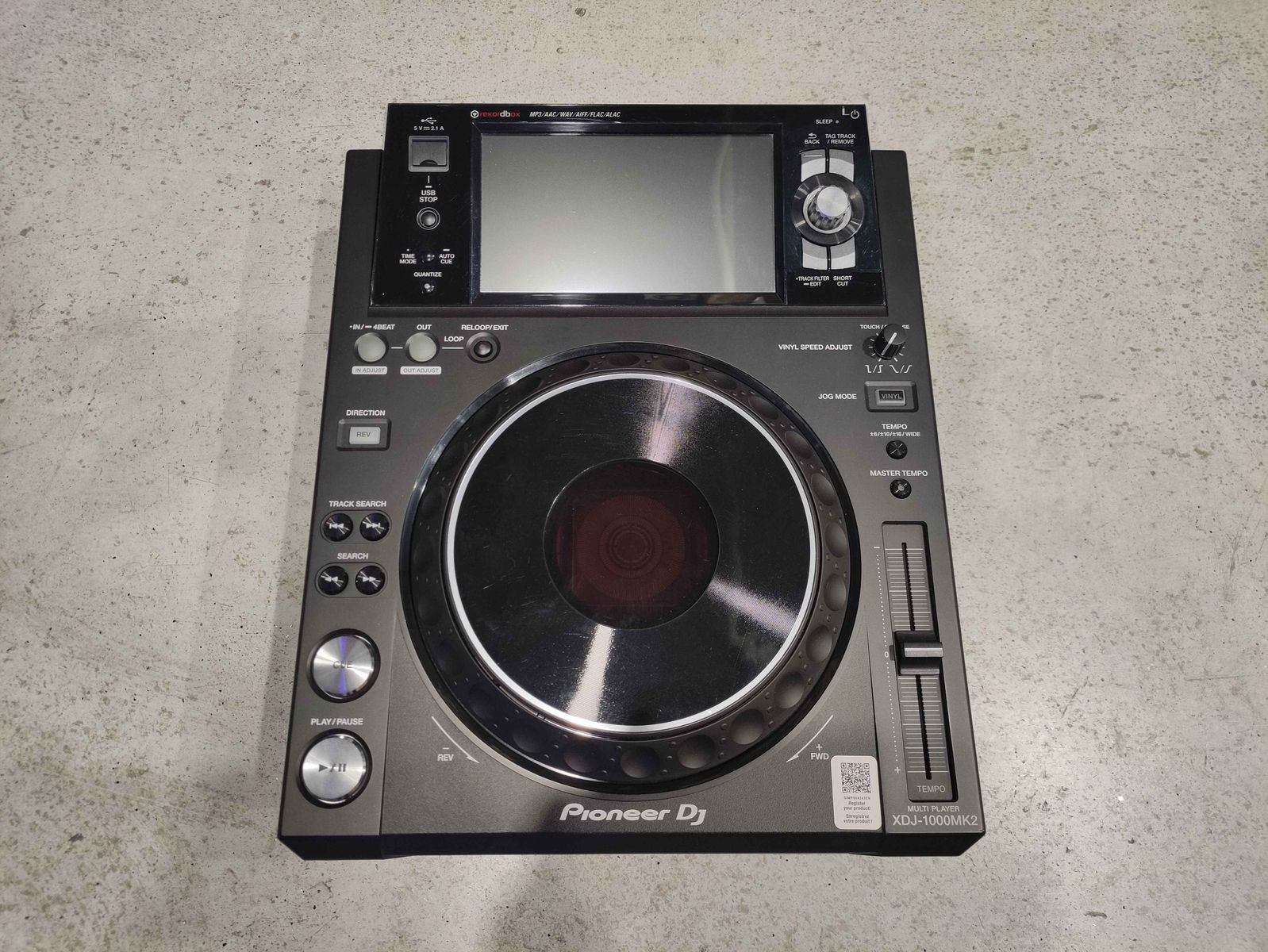
The XDJ-1000MK2 keeps some of the XDJ-700's philosophy, but physically it comes much closer to the CDJ experience.
The most obvious difference is the full-size jog wheel, which makes adjusting and manipulating tracks more comfortable. It also offers more options and some additional controls, although it still relies heavily on the touchscreen for certain functions.
It remains a relatively lightweight unit. For a home setup, that can be a real advantage: you get an experience much closer to a professional player without the weight, construction or price of a high-end CDJ.
A different philosophy from the CDJ
This creates an interesting choice on the used market. Depending on the market, an XDJ-1000MK2 can sit in a similar price range to older professional generations such as the CDJ-2000NXS.
The CDJ prioritises a more robust build and more physical controls. The XDJ-1000MK2, meanwhile, offers a more modern, touch-based interface.
There is no universal answer. It depends on whether you value the build and feel of a professional CDJ more than a more modern experience in a lightweight player.
What are the compromises?
Although it looks closer to a CDJ, the construction is not equivalent. It uses more plastic and is primarily designed for installations and setups where it will not face the same treatment as equipment used constantly in clubs, at festivals or by rental companies.
In our experience, both the XDJ-700 and XDJ-1000MK2 generally come to us after mainly home use and have relatively few serious problems. Their construction also makes many repairs simpler than on much more complex players.
Who would we choose the XDJ-1000MK2 for?
Someone who particularly values a large jog wheel, a more complete experience than the XDJ-700 and a modern interface, but does not need the construction or every feature of a professional CDJ.
XDJ-1000MK2 vs CDJ-2000NXS2: which should you buy? →
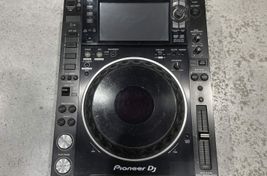
Pioneer CDJ-2000NXS2
One of the professional generations that has aged best
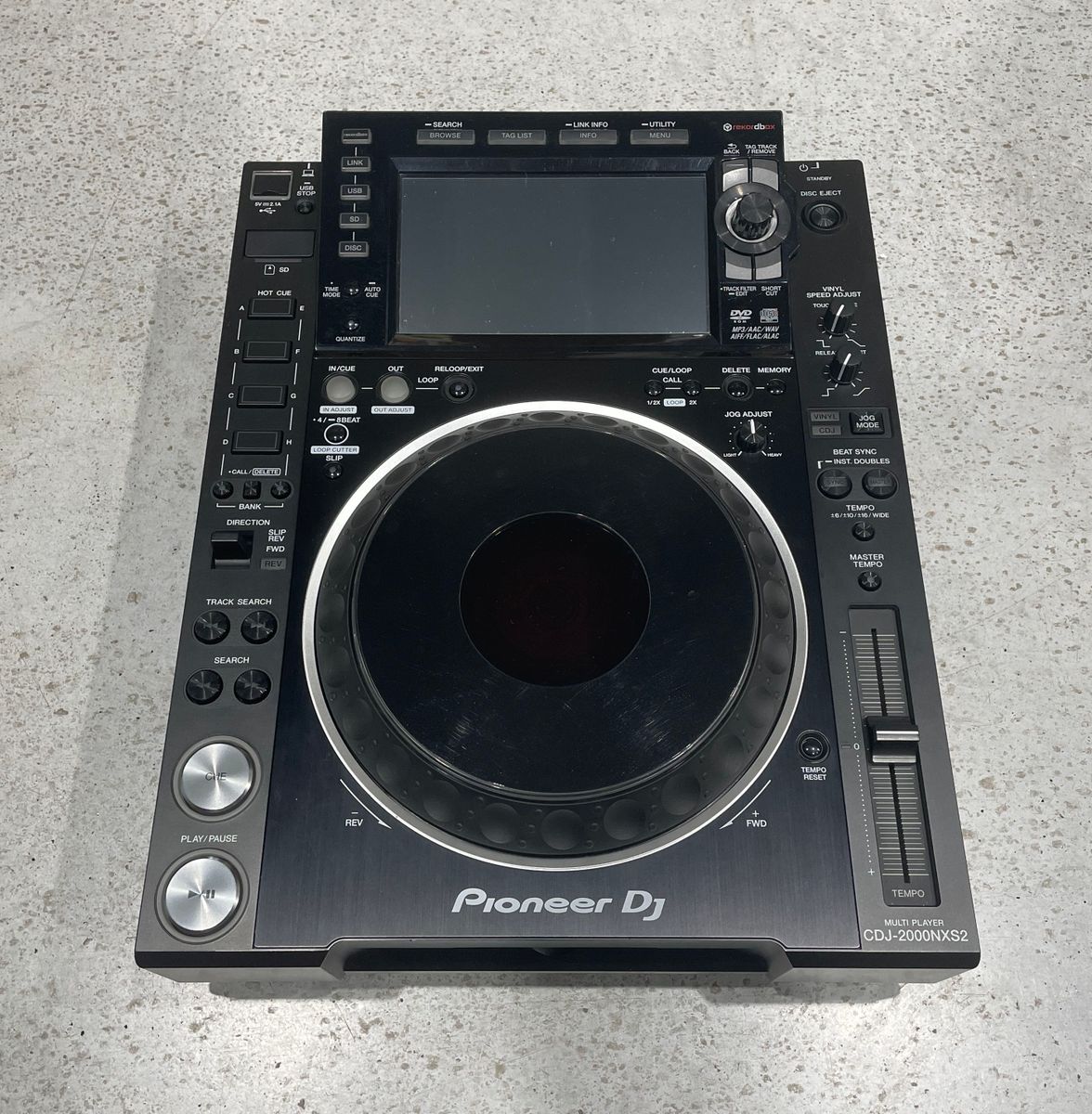
The CDJ-2000NXS2 occupies a distinctive position in this selection. It no longer represents the current generation, but after working with many units over the years, it remains one of the players we rate most highly at Sounds Market for its construction, durability and repairability.
For years, it was a benchmark in professional booths, and it is still found in many clubs, studios and private setups.
Here, the construction is clearly professional, with a full-size jog wheel with tension adjustment, dedicated physical controls and a design intended to withstand much more intensive use.
It does not have the screen, speed or some of the modern features of the CDJ-3000, but for many DJs that matters relatively little. It still offers practically everything needed for a professional USB and rekordbox workflow, and it also retains CD and SD card compatibility.
Why we still rate it so highly
Our opinion of the CDJ-2000NXS2 is not based on its features alone.
From a workshop perspective, it is exceptionally well built and highly repairable. There is a wide range of components available, and many parts can be replaced individually, which is especially important for a player designed to last many years.
That does not mean it never breaks down. After years of professional use, buttons, jog wheels, screens, drives and other components can wear. The difference is that we usually still have good options for restoring these units to excellent condition.
Who would we choose the CDJ-2000NXS2 for?
Someone who wants professional equipment that is thoroughly proven and built to last, but does not necessarily need the CDJ-3000's latest features.
CDJ-2000NXS2 vs CDJ-3000: differences and which to choose →
Pioneer CDJ-3000
The modern professional generation
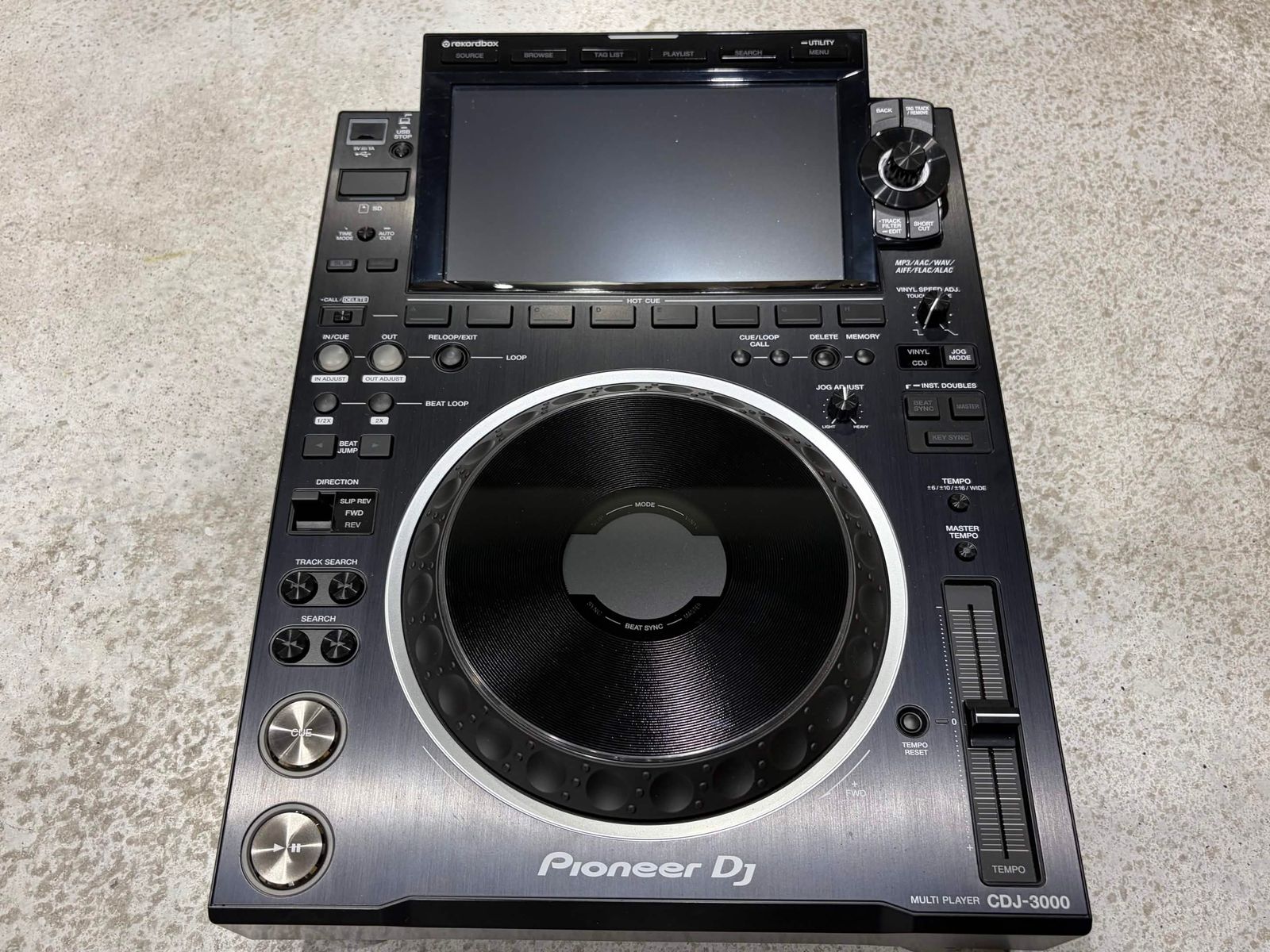
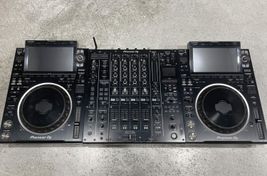
The CDJ-3000 represents a move to a considerably more modern platform. The screen is larger, the system responds faster, loading and browsing music are smoother, and its features and controls support more advanced workflows.
The jog wheel feel also changes, particularly at lighter tension settings, while additional physical controls such as Beat Jump reduce reliance on menus and the screen for certain actions.
If you regularly work in clubs, at festivals or at professional events, becoming familiar with the CDJ-3000 has another clear advantage: it is widely used in today's professional booths.
Does that mean you need a CDJ-3000?
Not necessarily.
If you mainly use Play, Cue, pitch, loops and basic browsing functions, many of the CDJ-3000's advantages may not change the way you DJ very much. This is precisely where a CDJ-2000NXS2, or even an XDJ, can still make a great deal of sense.
The CDJ-3000 also has no CD drive, which the CDJ-2000NXS2 retains and some DJs still use.
In the workshop, we also see a difference from older generations: as these units become more complex, some repairs require entire assemblies to be replaced, and spare parts can be considerably more expensive.
That does not make the CDJ-3000 a less worthwhile choice. It is simply part of the cost of working with a more modern platform.
Who would we choose the CDJ-3000 for?
Clubs, rental companies, professionals who want to work with a generation widely used in today's booths, or home users looking for a high-end setup who will genuinely make use of its improvements.
CDJ-3000 vs Denon SC6000: two approaches to the professional DJ player →
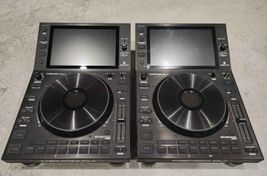
Denon DJ SC6000 Prime
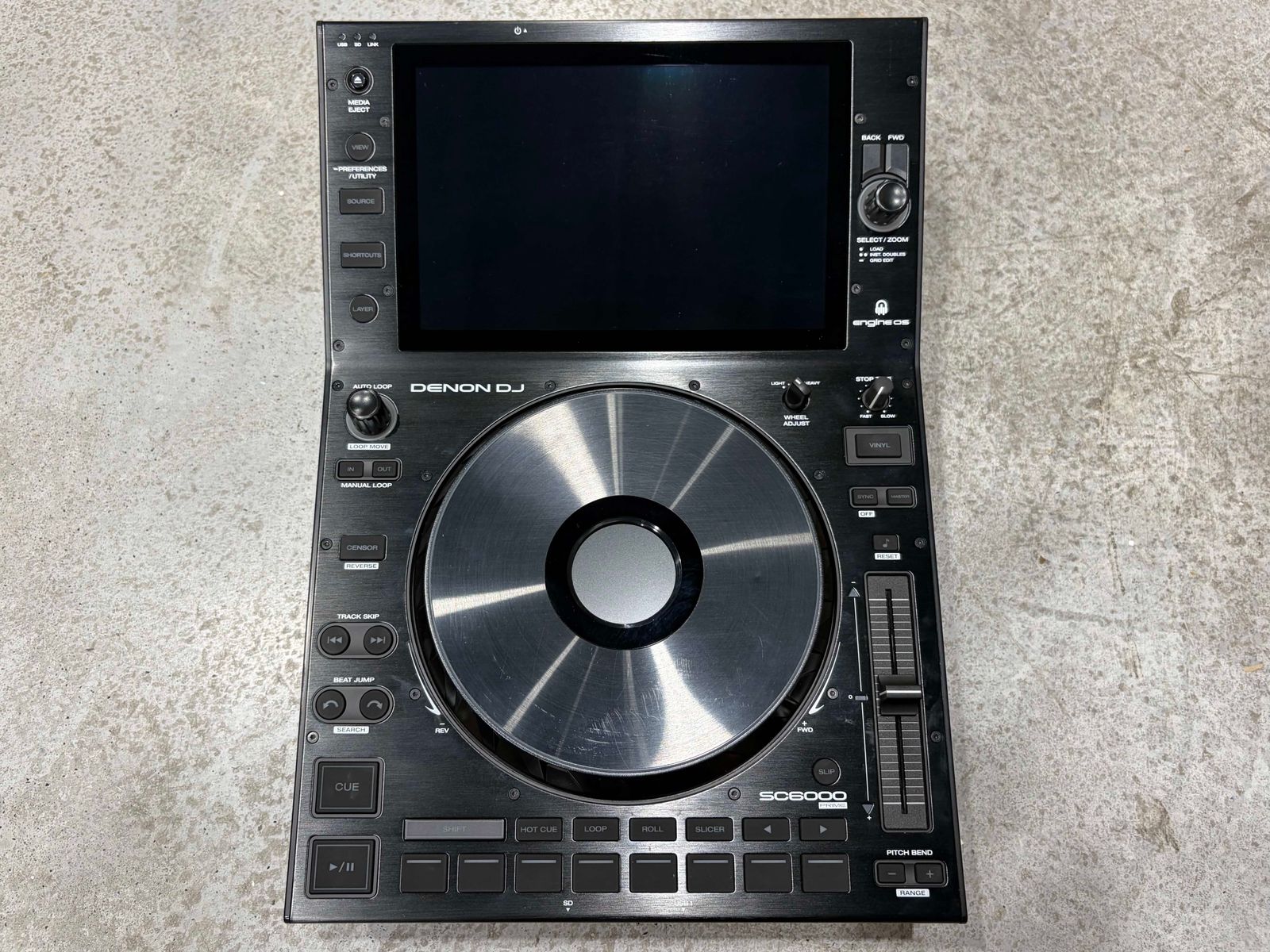
Plenty of features for considerably less money
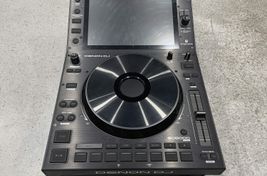
The SC6000 takes a different approach from the rest of this selection. Denon has packed a large number of features and technologies into a professional player whose used price can be considerably lower than its equivalent in the Pioneer ecosystem.
One of its most interesting features is Layer A / Layer B. Each SC6000 can run two playback layers, allowing you to control two decks from one physical player. With two SC6000s, you can therefore build a four-deck workflow without needing four players.
Its Engine DJ platform also includes numerous advanced features, making the SC6000 an exceptionally comprehensive player.
And the price changes the equation considerably. As a reference from the refurbished market, at Sounds Market we have sold pairs of SC6000s for around €2,400. Depending on timing and the condition of the units, that can be close to the price of a single refurbished CDJ-3000.
Used prices change constantly, but the difference helps explain Denon's proposition: a huge range of professional features for every euro spent.
So why is it not in every DJ booth?
Because specifications and professional adoption are two different things.
Pioneer DJ and AlphaTheta have a much stronger presence in clubs, at festivals and among rental companies. An SC6000 may be in a booth because a particular artist has requested it, but it is not what we normally expect to find installed.
In our experience, many SC6000 buyers are home users who want a high-end setup and prioritise features and value for money over exactly replicating the booth they will find when playing out.
There are compromises too. We do not find the jog wheel feel as convincing as on CDJs, and we have repaired some units with sensitivity-related problems. Denon's spare-parts availability can also make certain repairs considerably more difficult.
Even so, our experience with the owners of these players is generally very positive. Those who join the Denon ecosystem and appreciate its capabilities tend to be very happy with it.
Who would we choose the SC6000 for?
Someone who wants flagship features, values advanced functions such as Dual Layer and wants to get as much as possible from their budget, provided they do not consider it essential to use exactly the ecosystem they will usually find in a Pioneer booth.
Quick comparison
| Model | Main strength | Main compromise |
|---|---|---|
| XDJ-700 | Size, simplicity and price | Small jog wheel and greater reliance on the screen |
| XDJ-1000MK2 | Large jog wheel and modern interface while remaining lightweight | Less robust construction than a CDJ |
| CDJ-2000NXS2 | Construction, durability and repairability | Previous-generation technology |
| CDJ-3000 | Modern platform and professional presence | Higher price and more expensive spare parts |
| SC6000 Prime | Features and value for money | Lower professional adoption and spare-parts availability |
Do you really need the newest player?
Not necessarily. That is probably the most important point in this guide.
A professional DJ may use two XDJ-700s at home because they simply need two reliable players and a good mixer. Another may prefer CDJ-2000NXS2s because they particularly value the construction and workflow. Someone else may need a CDJ-3000 because they regularly work in current professional booths.
A DJ's skill level and the price of their player do not have to rise together.
Before buying, think about which features you actually use, how much space you have, whether you will move the equipment, what kind of setup you want to build and how much you want to spend on the whole system.
Are older-generation DJ players worth buying?
Yes, as long as the model still meets your needs and the individual unit is in good condition.
With professional DJ equipment, the release date alone does not determine a unit's quality or lifespan. A properly maintained player from an earlier generation can still provide many years of use.
That is exactly why, when buying used equipment, the model you choose matters just as much as the condition of the individual unit.
Buying refurbished DJ players
At Sounds Market, we work with used and refurbished DJ players from different generations. Our Certified equipment is checked by our workshop before going on sale and comes with a one-year warranty.
This gives you access to both current generations and older professional models without relying solely on the new-equipment market.
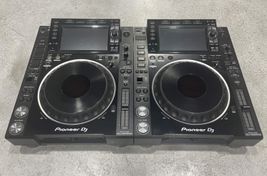
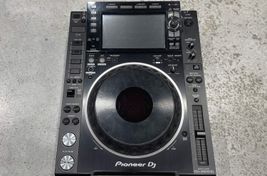
Pioneer CDJ 2000NXS2 currently available
See all ->
Pioneer CDJ 3000 currently available
See all ->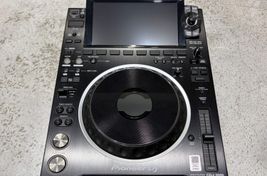
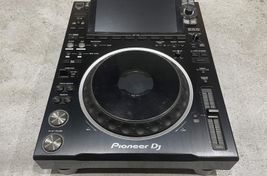
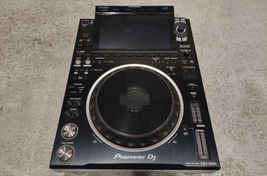
Pioneer XDJ 1000MK2 currently available
See all ->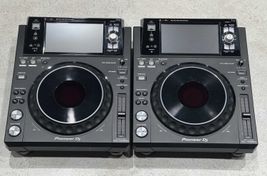
Denon SC6000 currently available
See all ->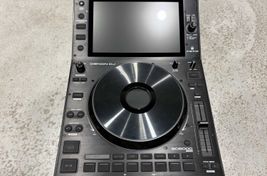
Frequently asked questions
What is the best DJ player in 2026?
There is no single best player for every DJ. The CDJ-3000 offers a modern professional platform, while models such as the XDJ-700, XDJ-1000MK2 or CDJ-2000NXS2 may make more sense depending on workflow, space and budget. The SC6000 also offers an alternative with a huge range of features at a lower price.
Is the XDJ-700 still worth buying?
Yes. Especially if you want a compact, straightforward player and do not need a huge range of performance features. Its price and size also let you devote more of your budget to other parts of the setup.
Is the CDJ-2000NXS2 still good?
In our experience, yes. It remains one of the professional players we rate most highly for its construction, robustness and repairability, although the CDJ-3000 offers a considerably more modern platform.
Do I need a CDJ-3000 to practise for club gigs?
Not necessarily. What matters is understanding the workflow of separate players, preparing your music properly and getting used to a similar setup. Using exactly the same model you will find in a booth can help with familiarity, but it is not essential for learning.
Denon SC6000 or Pioneer CDJ?
It depends on your priorities. Denon offers a huge range of features and particularly strong value for money, while Pioneer/AlphaTheta has a much greater presence in professional booths.
These five players are not ranked from best to worst because they represent different choices.
The XDJ-700 shows that a simple setup can be enough even for a professional DJ. The XDJ-1000MK2 adds a full-size jog wheel and a more advanced experience without reaching CDJ build quality. The CDJ-2000NXS2 continues to stand out for its robustness and how well it has aged, while the CDJ-3000 offers a much more modern professional platform. The SC6000, meanwhile, shows how much a flagship player can offer when features and price take priority over adoption of the Pioneer ecosystem.
The decision should not come down to which has the most features. The best player for your setup is the one with the features you will actually use, that suits the way you DJ and lets you spend your budget where you really need it.